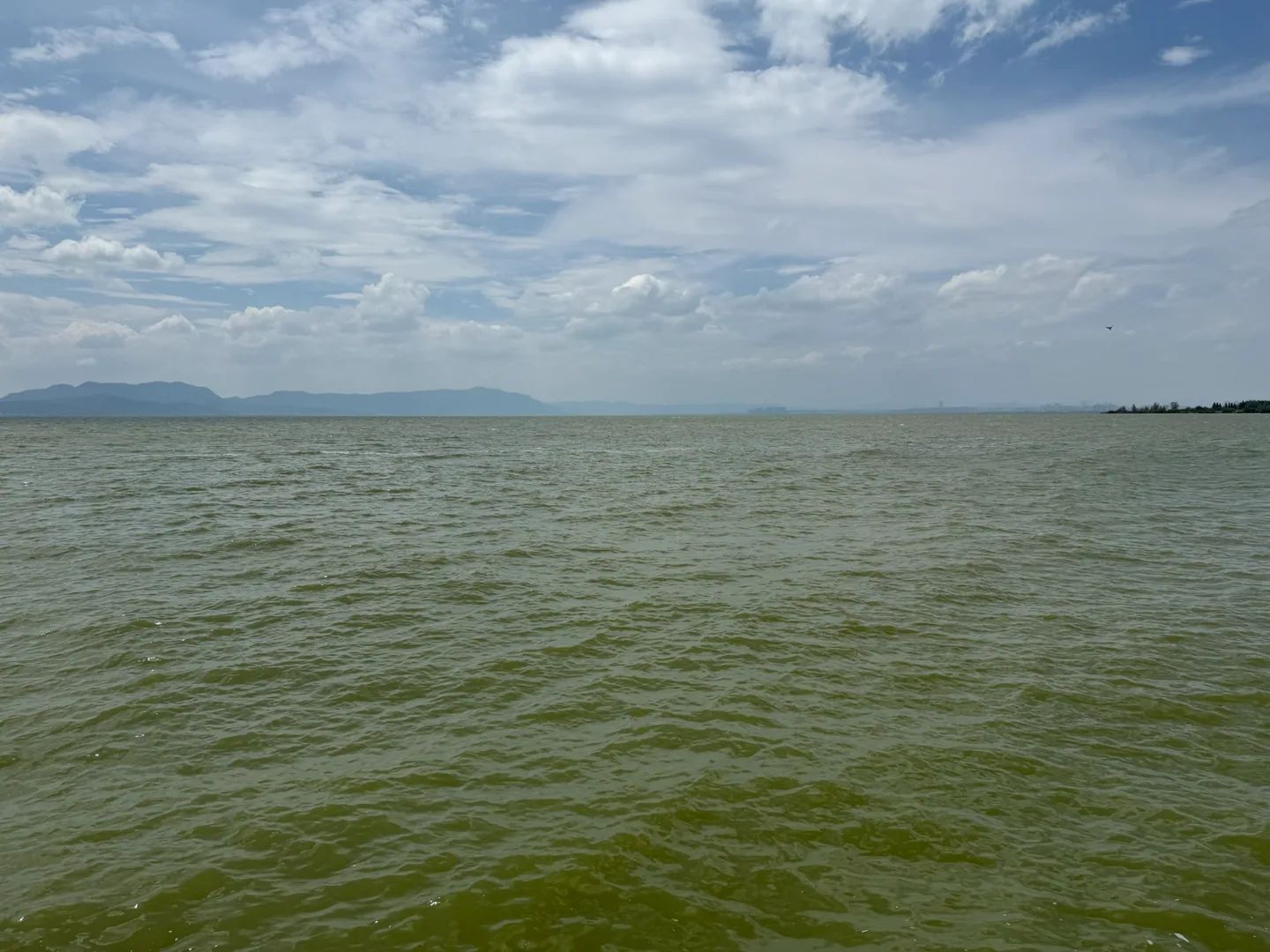
An earthquake was the reason I left Liuzhou after just ten days. For my next stop, I weighed up Guizhou and Kunming, and chose Kunming. I spent about a month there, from May into June 2026, staying near Dianchi Lake.
Why I chose Kunming
The summer weather was a big part of the decision. Kunming is known as the “Spring City”, and after Liuzhou, the idea of a summer without the air conditioning on all day sounded good. The China Meteorological Administration’s climate overview gives some background on the city’s climate.
There was also a pull towards Yunnan that I can’t fully explain. Watching Meet Yourself (去有风的地方), a gentle drama set in a village near Dali, probably had something to do with it. By the time I was choosing where to go, I wanted to spend some time in Yunnan and see what I made of it myself.
Finding a place near the water
Once I’d picked the city, I wanted to be near water. I like lakes and rivers, which is also why I’d stayed by the river in Liuzhou, so I looked for somewhere close to Dianchi Lake (滇池).
It turned out to be the right choice. The wetland parks along the shore gave me different versions of what I’d come for: water, trees and a wide view of the sky.
The clouds stayed with me
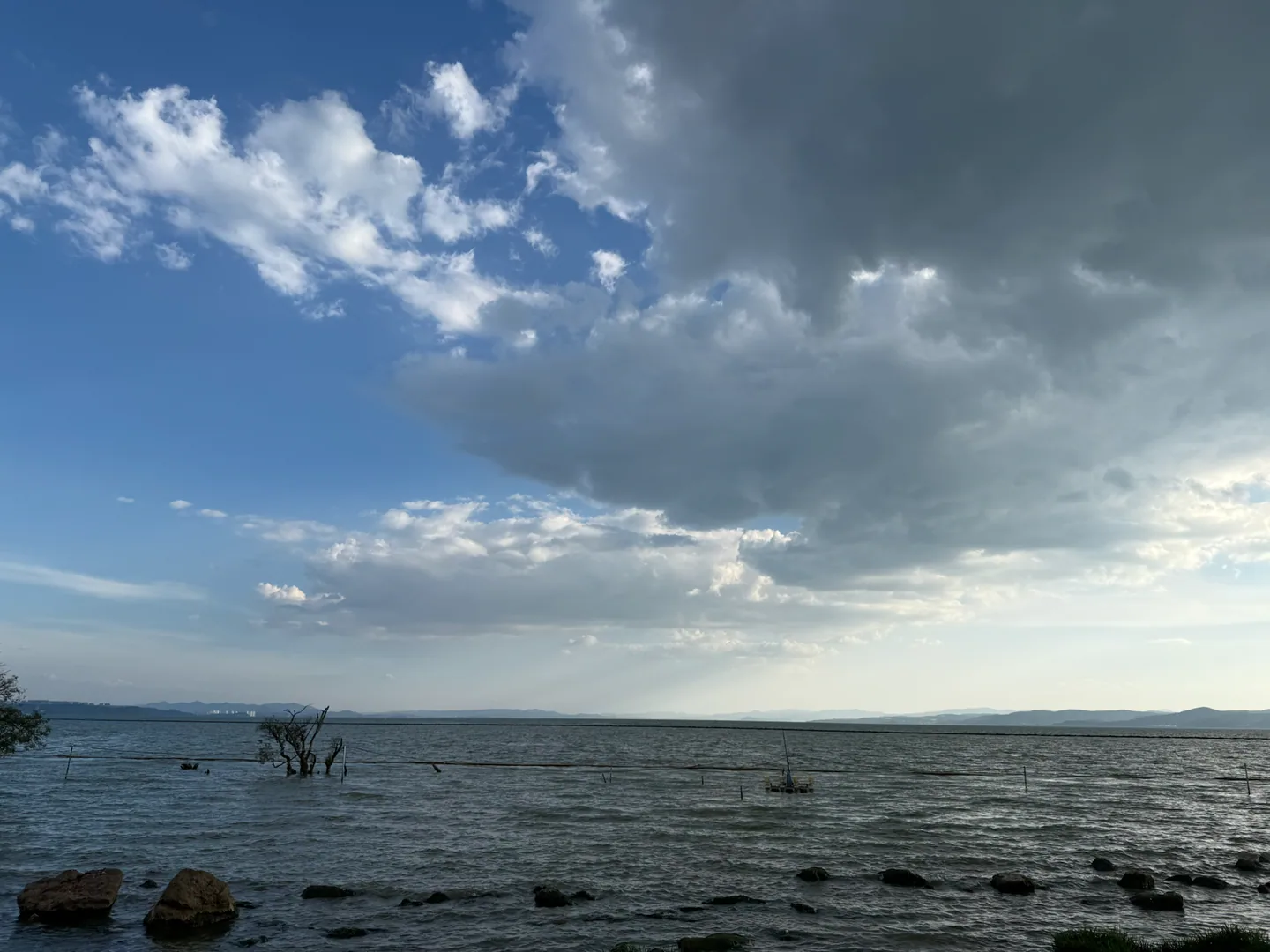
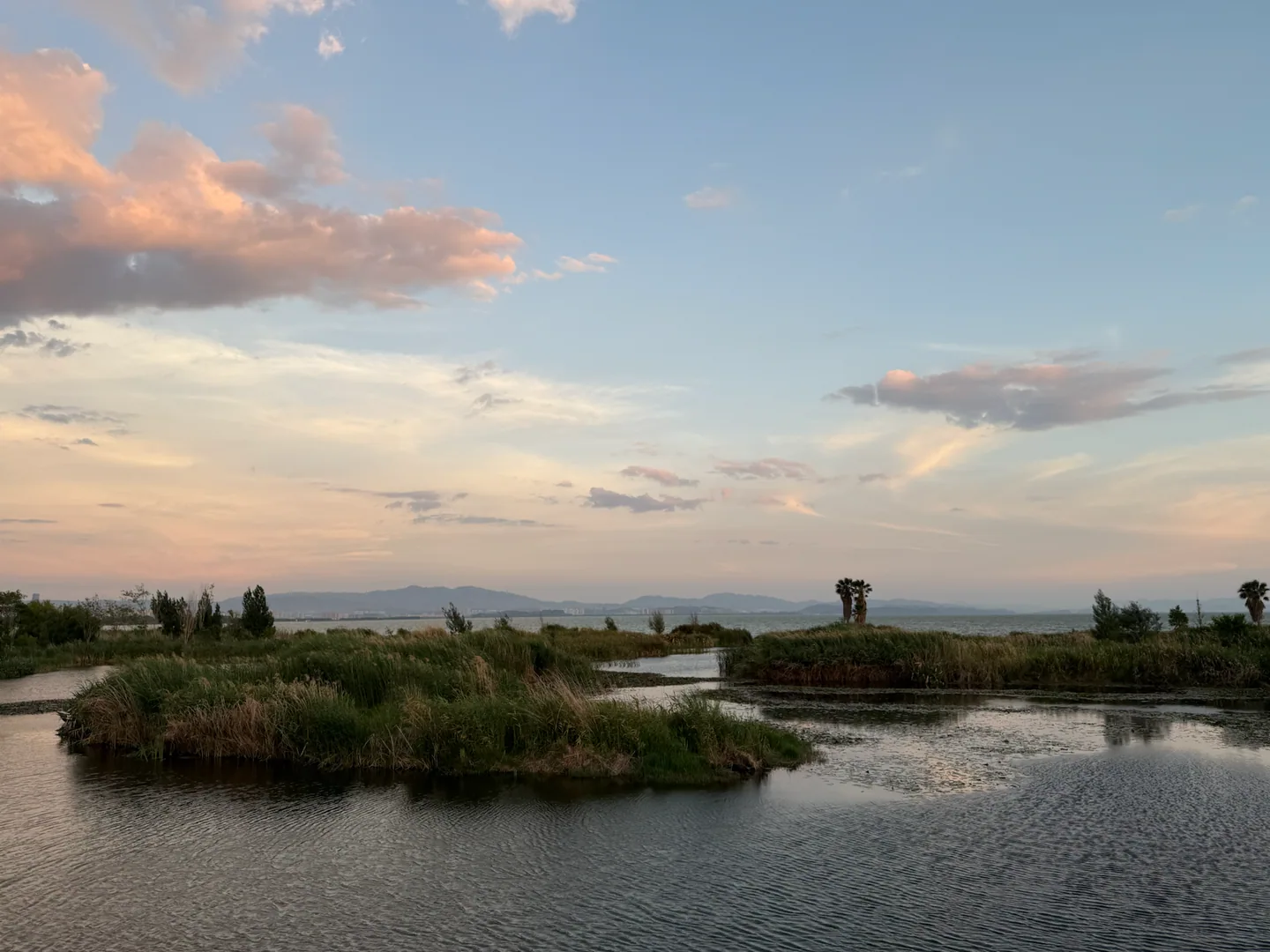
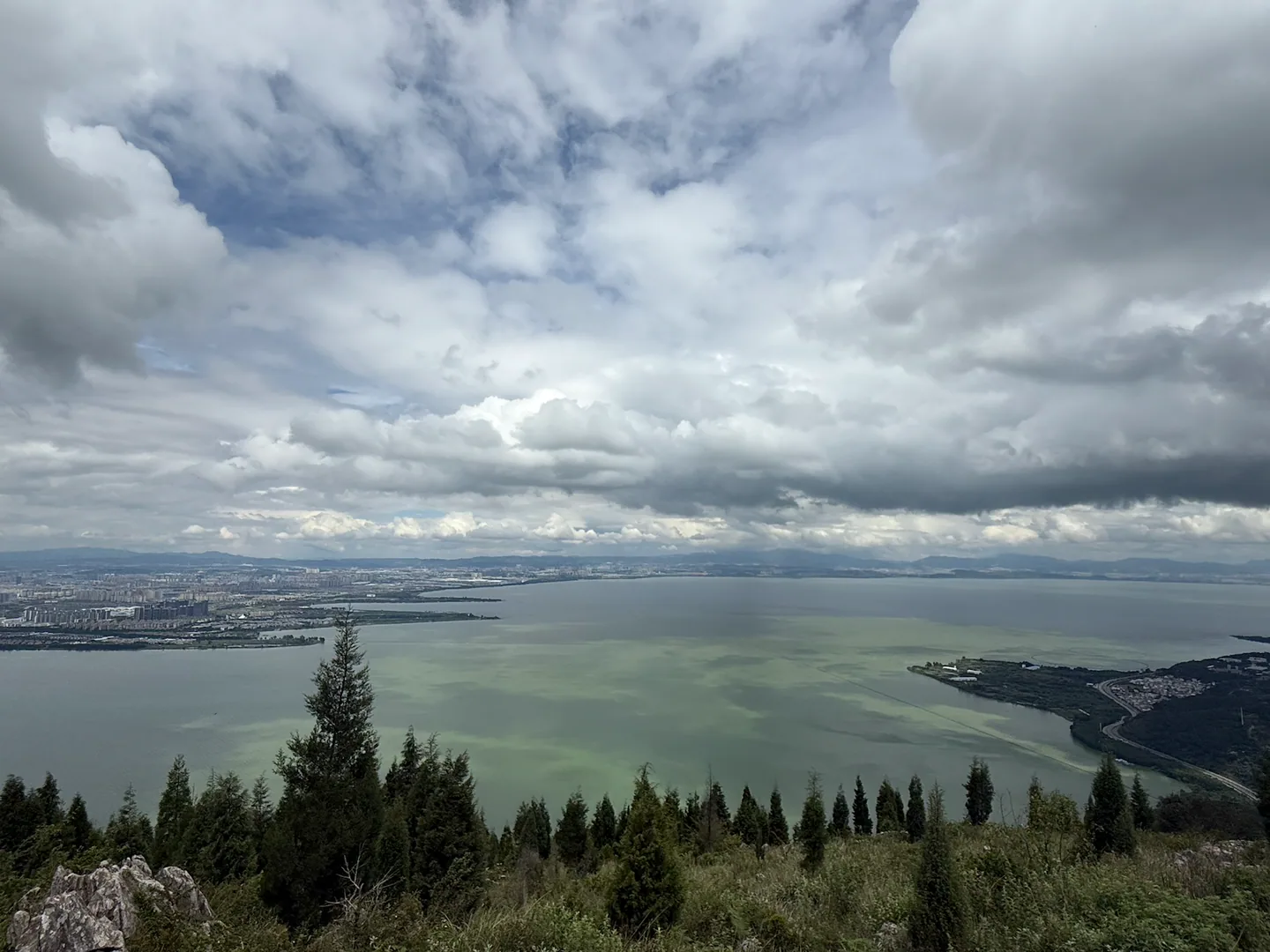
And that sky turned out to be what I remember most. Yunnan’s clouds seemed closer than the ones I was used to, almost hanging just above the hills, and they kept changing: large white clouds over the lake, pink ones in the evening, darker layers seen from the mountainside.
A lake view meant looking at the clouds as much as at the water. Going through my photographs now, I notice how much of each picture I gave to the sky.
A little background on Kunming and Dianchi
Kunming is Yunnan’s provincial capital, a modern city whose history is closely tied to the lake. The Kunming Museum’s exhibition on the city and Dianchi is a useful introduction to that connection, from the area’s natural history to the people who made their lives here.
The ancient Dian kingdom was centred on the area around the lake. In 1956, archaeologists at Shizhaishan uncovered a gold seal inscribed “Seal of the King of Dian”, linking archaeological finds with the kingdom recorded in early Chinese histories. The museum’s ancient Dian exhibition explains that part of the story.
The lake’s more recent history includes damaged shores and work to restore them. Wetland restoration has returned stretches of the lakeside to vegetation and habitat, with space for people to visit. A report on Dianchi’s shoreline restoration describes that work at places including Baofeng and Laoyuhe, two of the parks I visited. So the wetlands where I spent my afternoons are part of the lake’s recent story, too.
Walkways, flowers and people by the lake
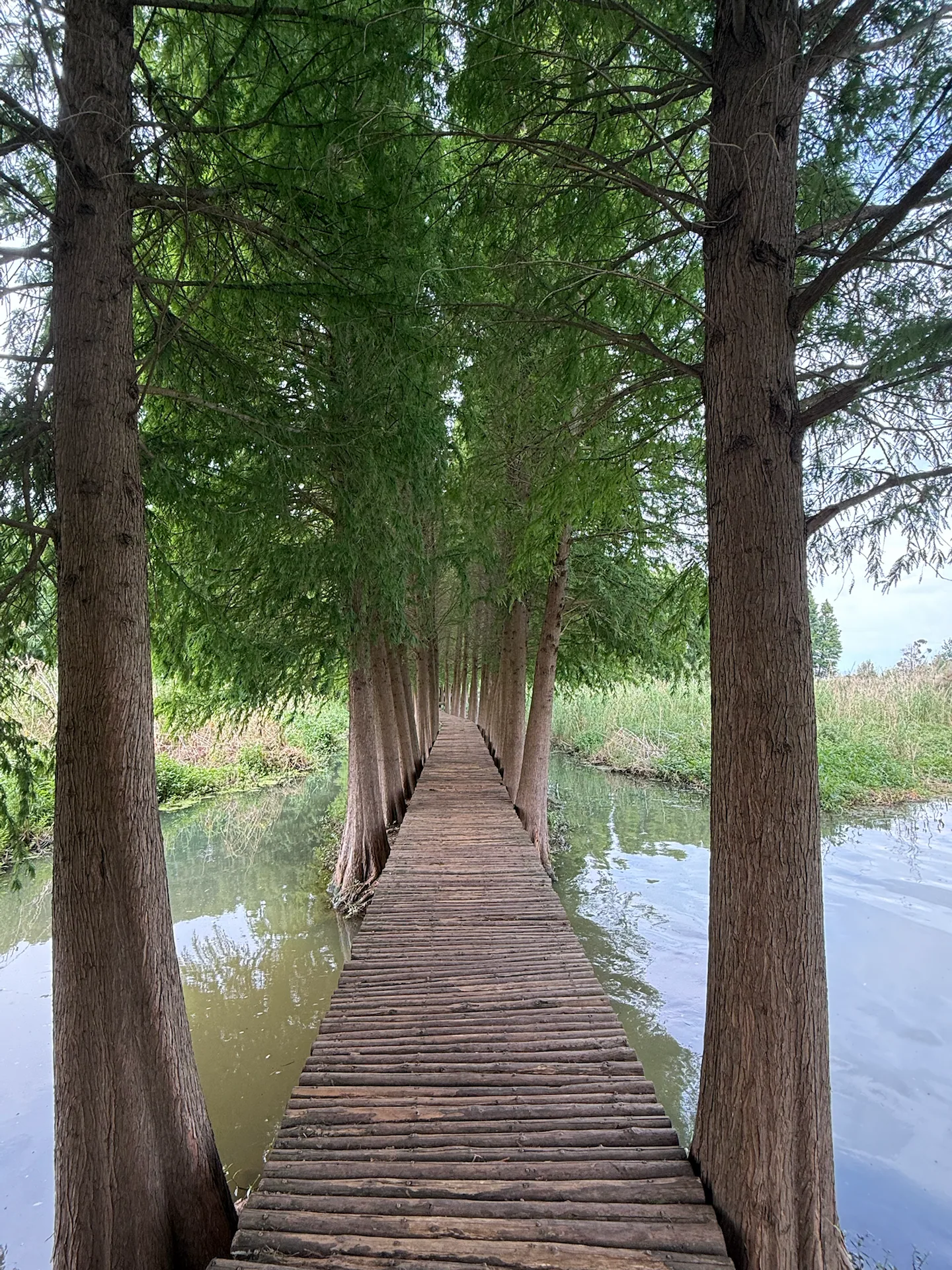
What I liked about the wetland parks was how the view changed as I walked. At Laoyuhe Wetland Park (捞渔河湿地公园), a wooden walkway took me between rows of trees. Then there was the open lake, with hills on the other side. Water among the trees and water stretching towards the horizon felt quite different, even in the same park.
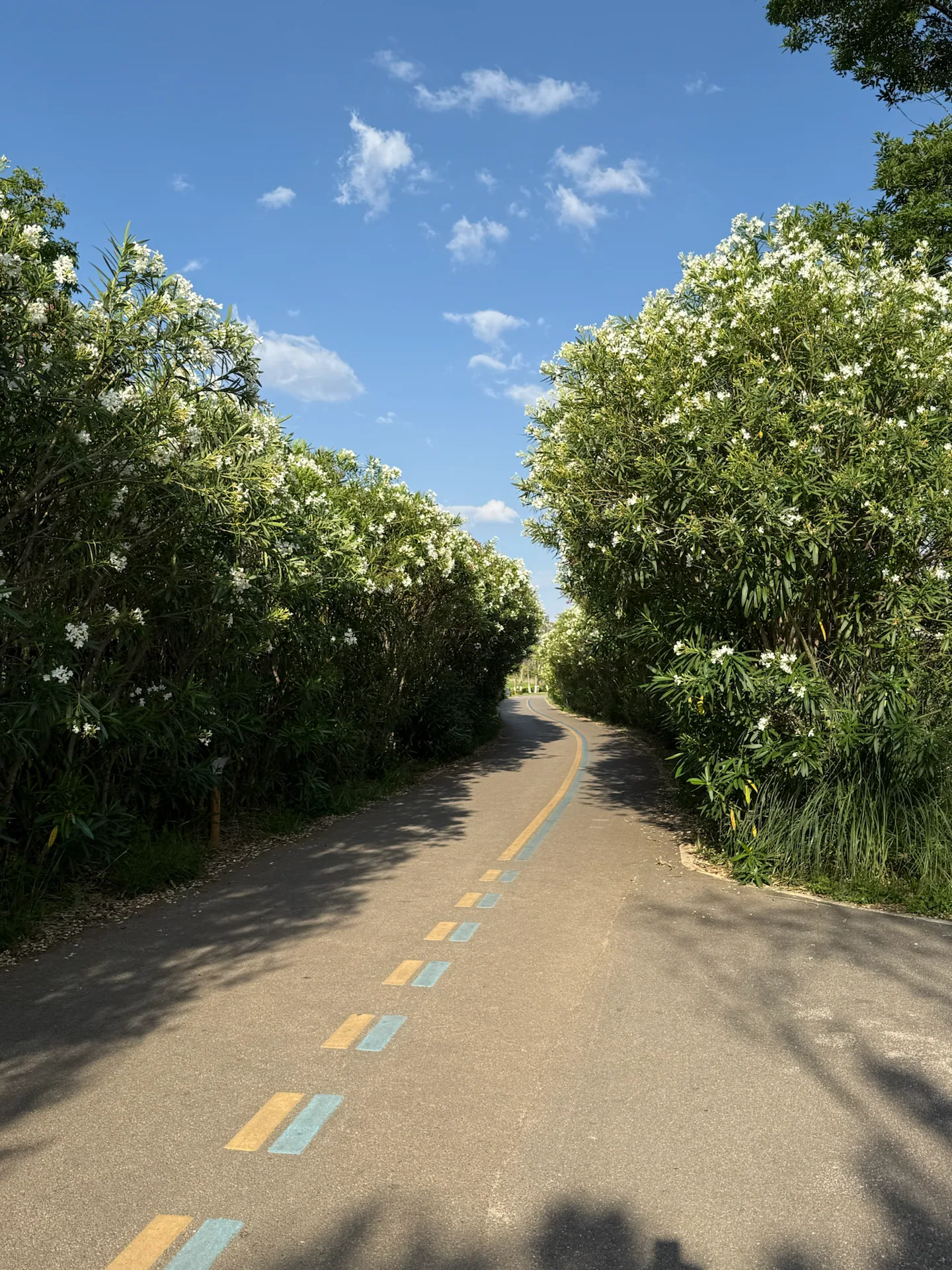
At Dounan Wetland Park (斗南湿地公园), flowering shrubs lined the paths, and the lake opened up from different spots along the shore. I went back more than once. I didn’t need a new sight each time; being by the water was enough.
Dounan was also where people spent time on the grass by the shore, some sitting, others wandering, with the lake and hills behind them. I filmed a few seconds of it, because the people belong in the memory as much as the landscape.
Evening at Baofeng
Baofeng Wetland Park (宝丰湿地公园) is the place I associate with evening light. The sun sat low between the trees across the water, and the light caught the trunks along the edge. These photographs, more than any others, take me back to why I wanted to stay by the lake.
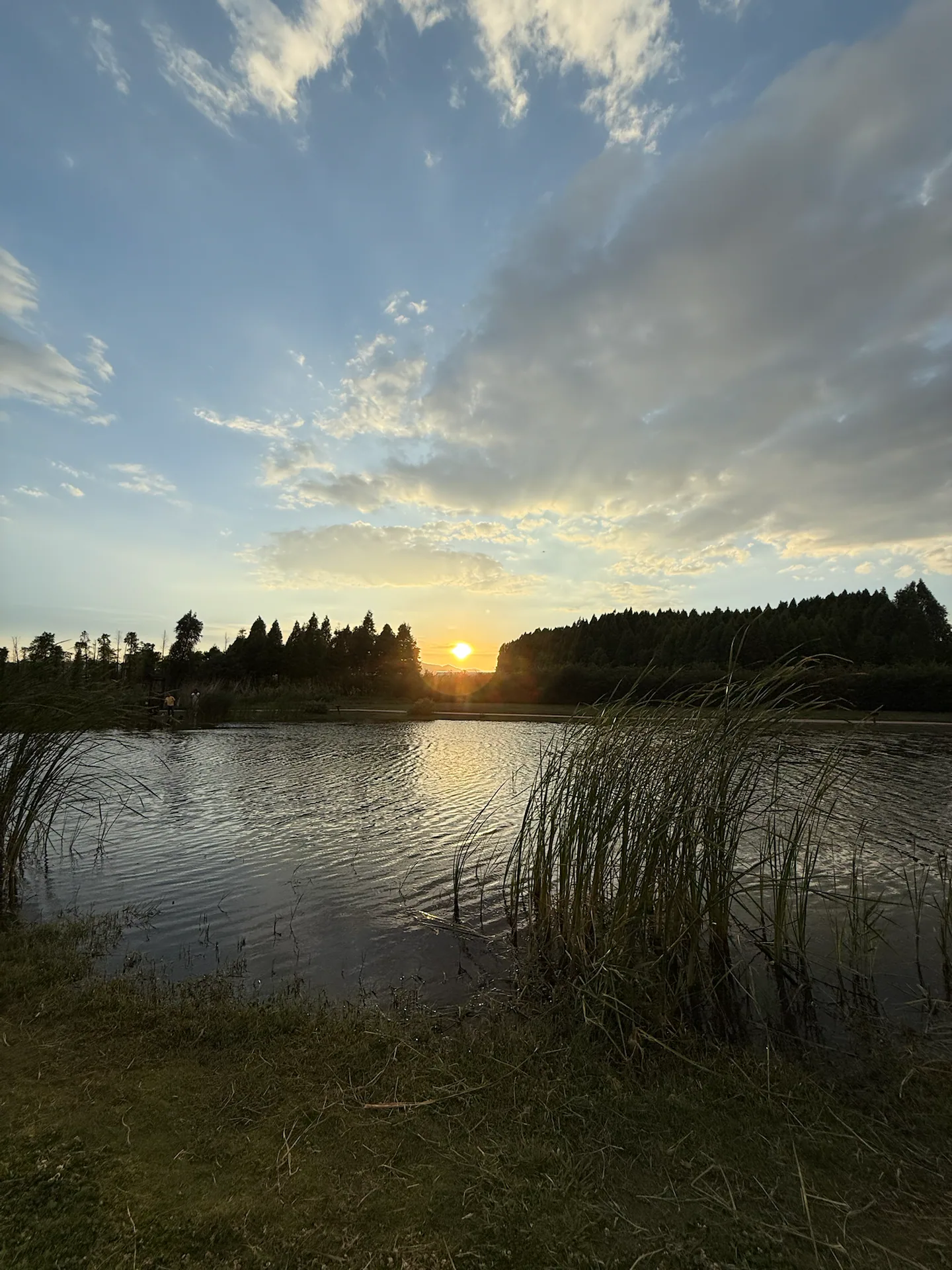
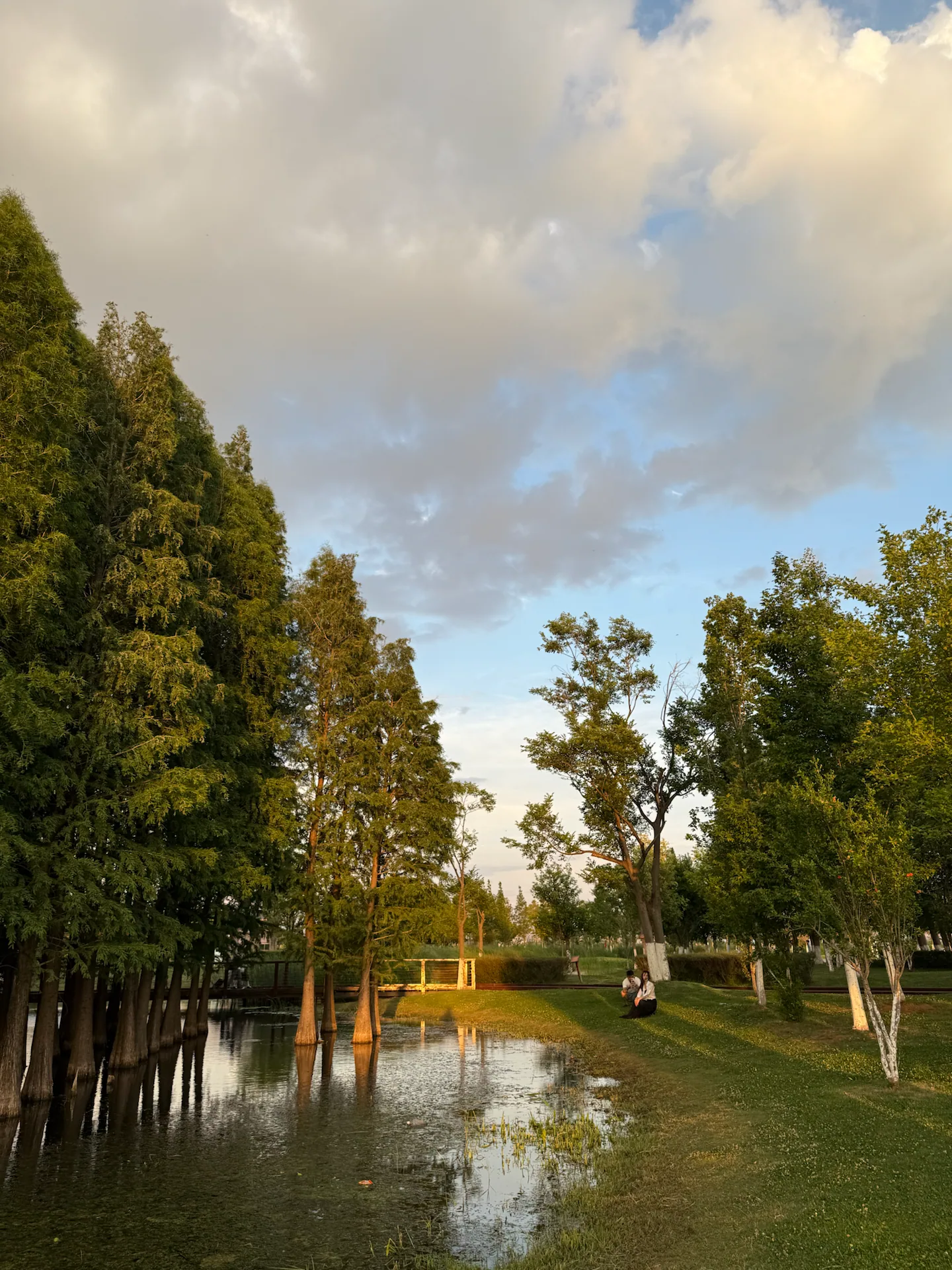
As it got later, pink clouds spread above the wetland grasses and the lake beyond, the kind of Yunnan sky that was worth watching for its own sake.
Birds at Haihong, reflections at Xinghai
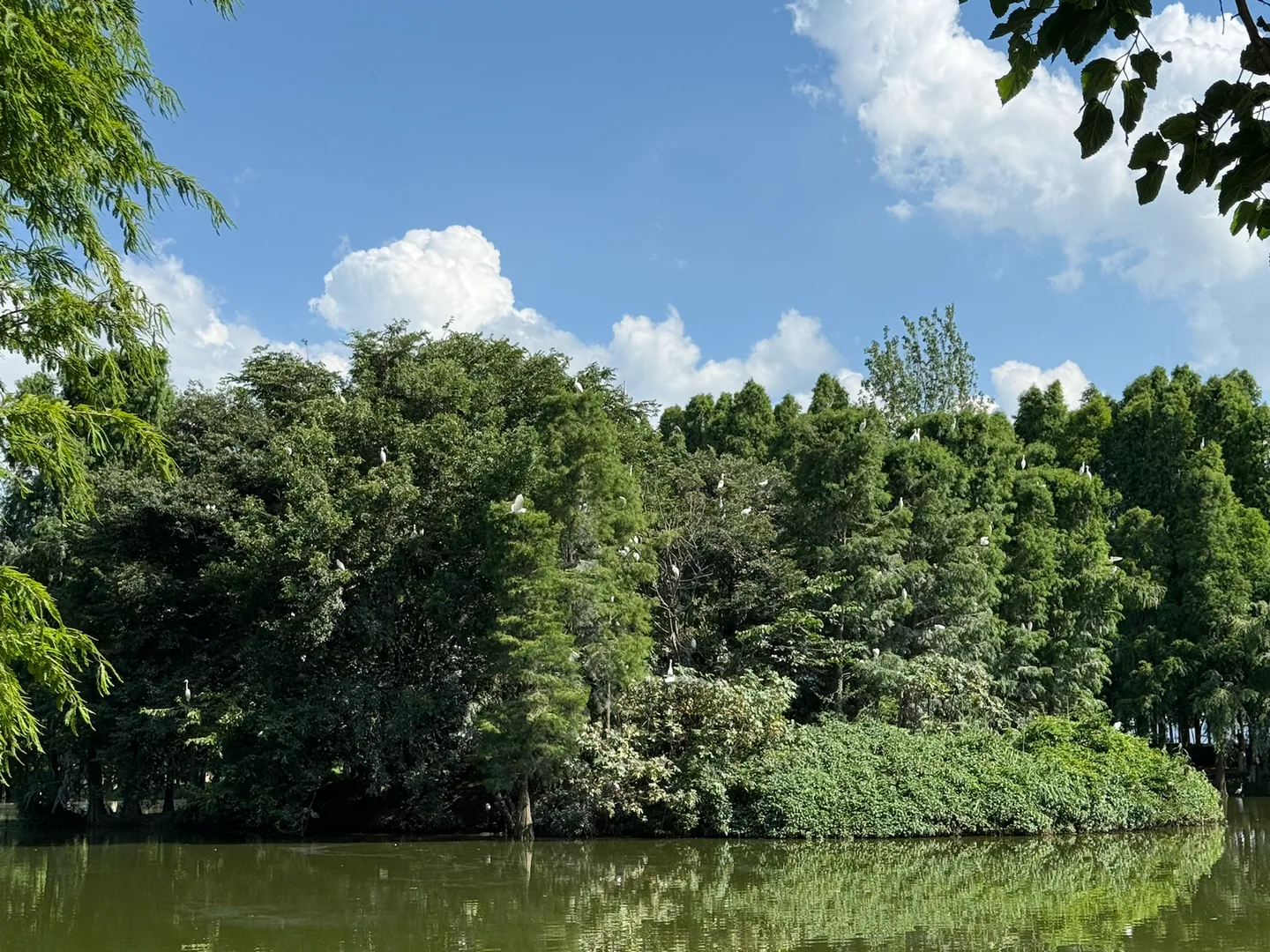
When I think of Haihong Wetland Park (海洪湿地公园), I remember the waterbirds standing on the branches. White birds were dotted through the trees above the water. It’s a small scene, but it has stayed with me as clearly as the wider lake views.
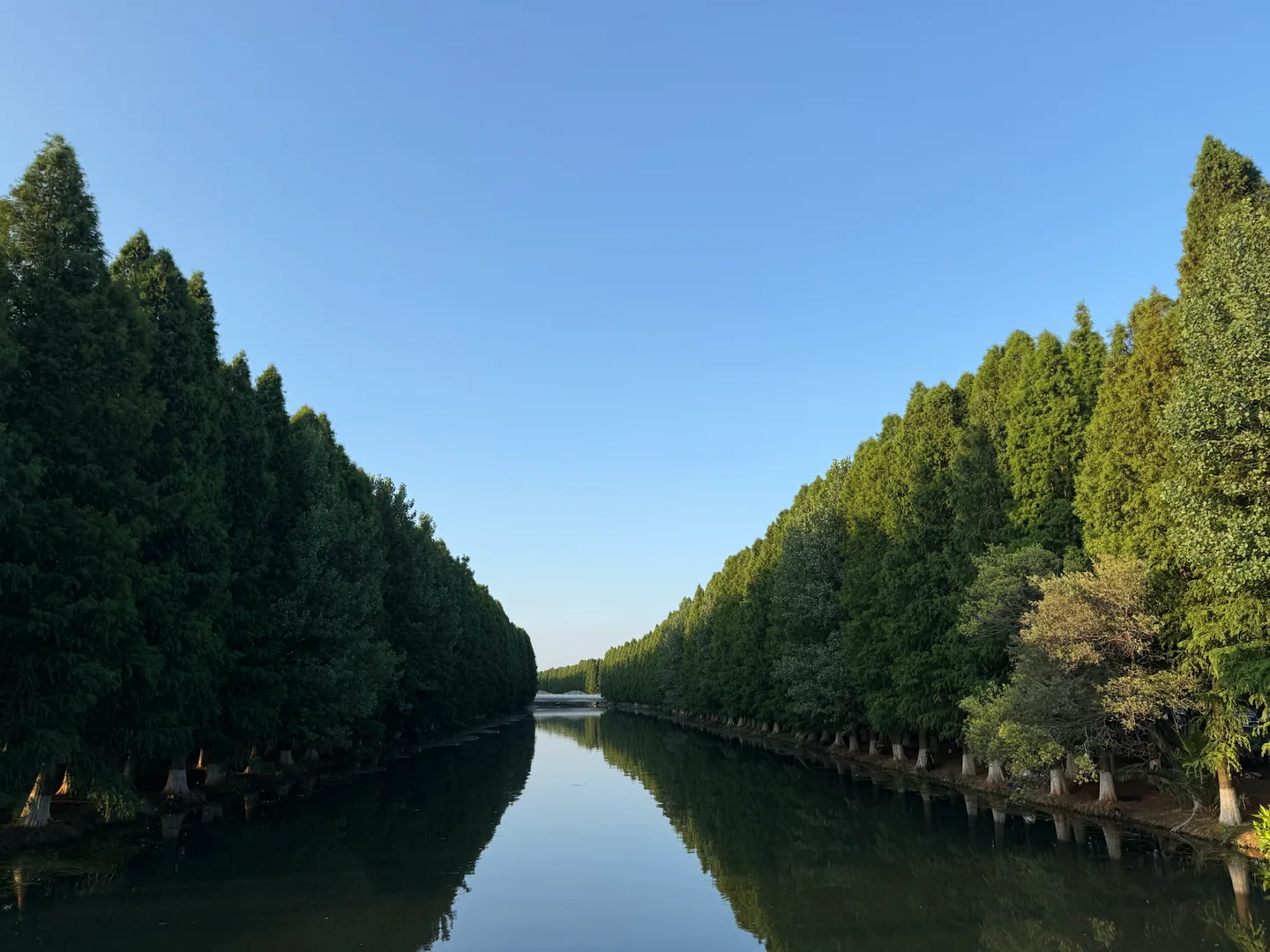
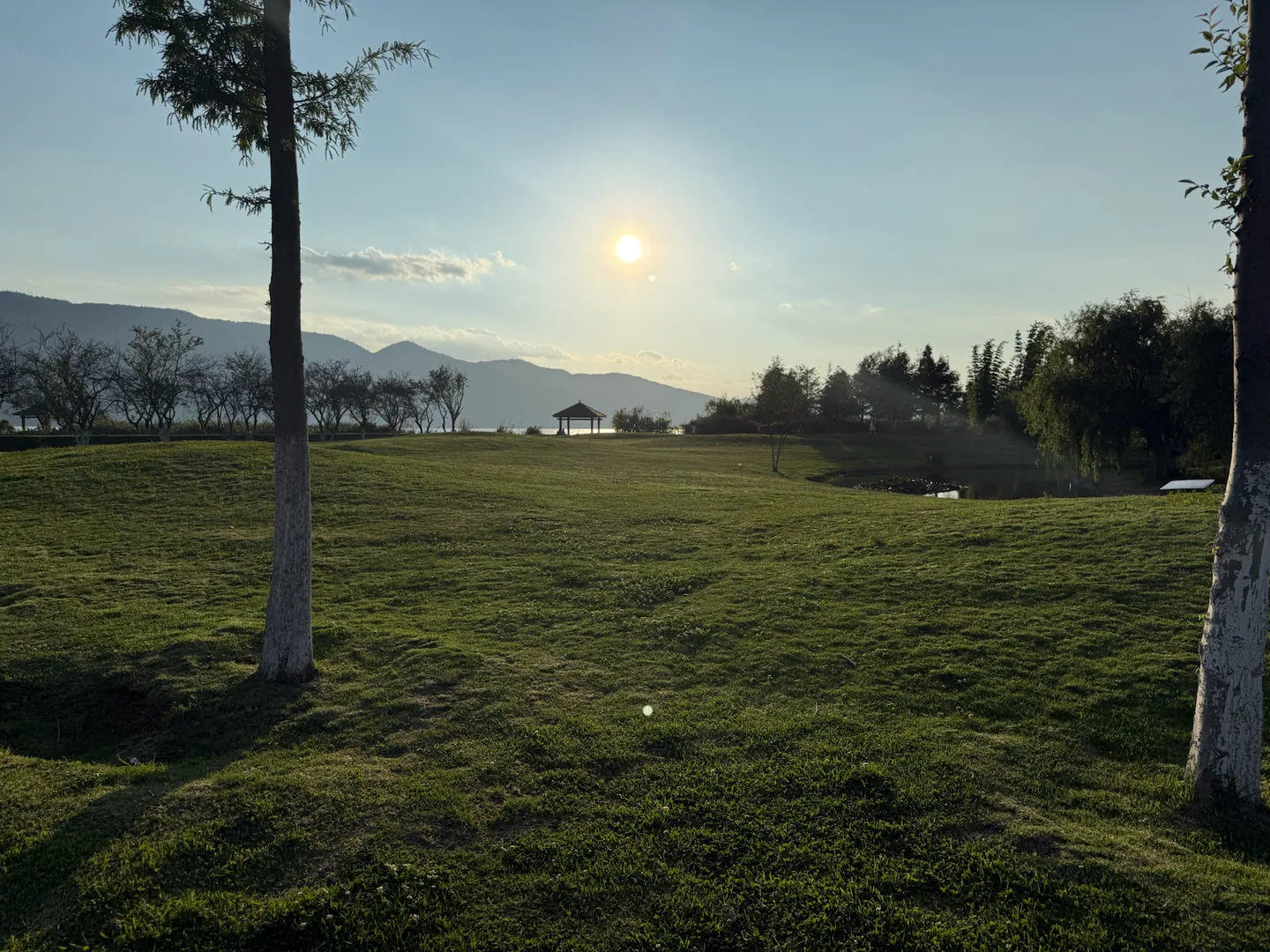
At Xinghai Peninsula Wetland Park (星海半岛湖滨生态湿地公园), rows of trees reflected in a straight waterway. There was also an open lawn and a pavilion near the lake. These quieter stretches of water are part of what I remember about the lakeside, along with the big views of Dianchi.
Yangzong Lake was a separate outing
Away from Dianchi, I also made a trip to Yangzong Lake (阳宗海, Yangzonghai). It’s a separate lake, so if you’re planning around Kunming, give it its own outing.
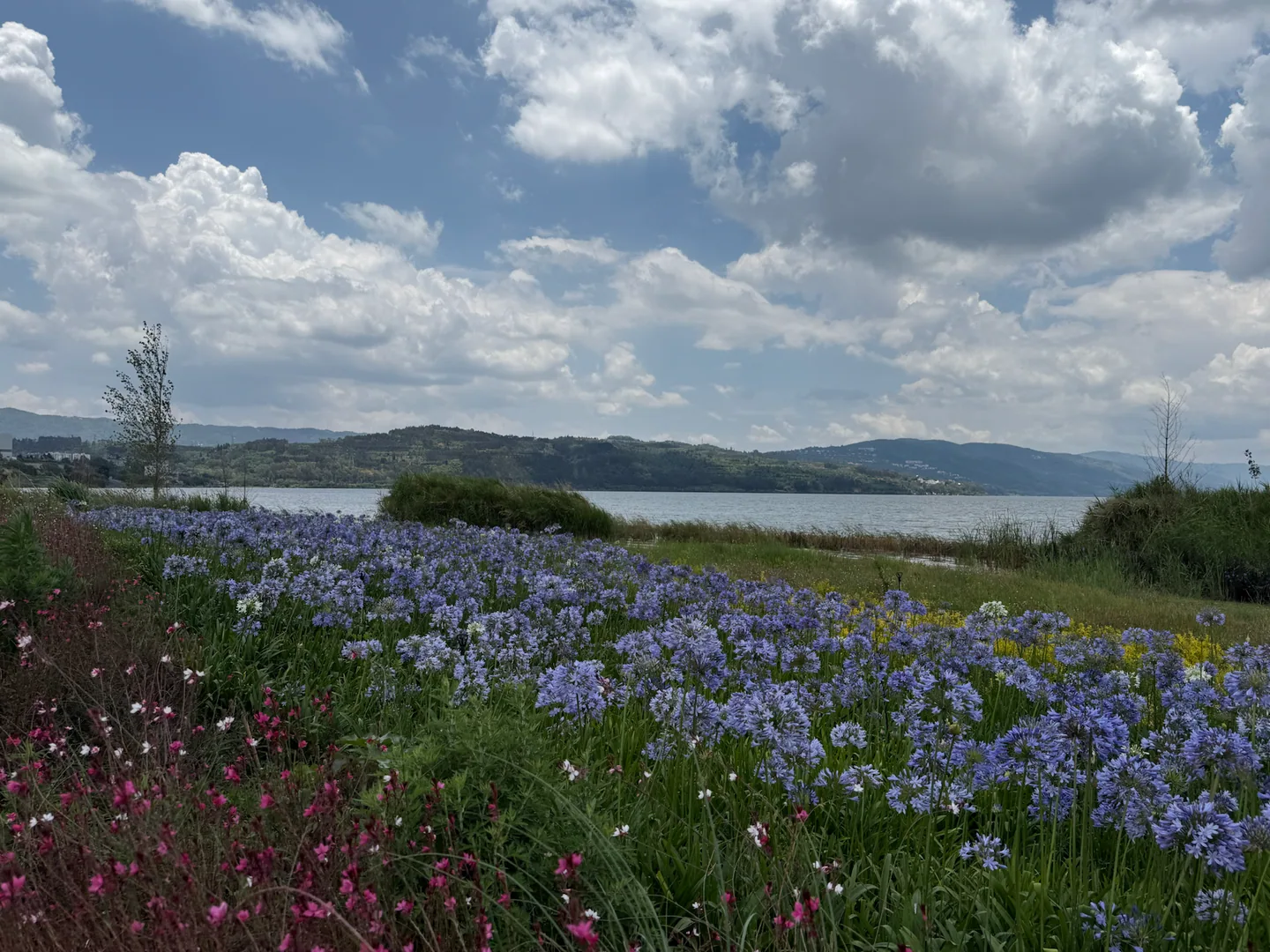
There were sailboats on the water, stones visible in the shallows and flowers along the shore. I liked having both kinds of view here: the hills across the lake, and the small details at my feet. The pebbles beneath the water are as much a part of these photographs as the distant scenery.
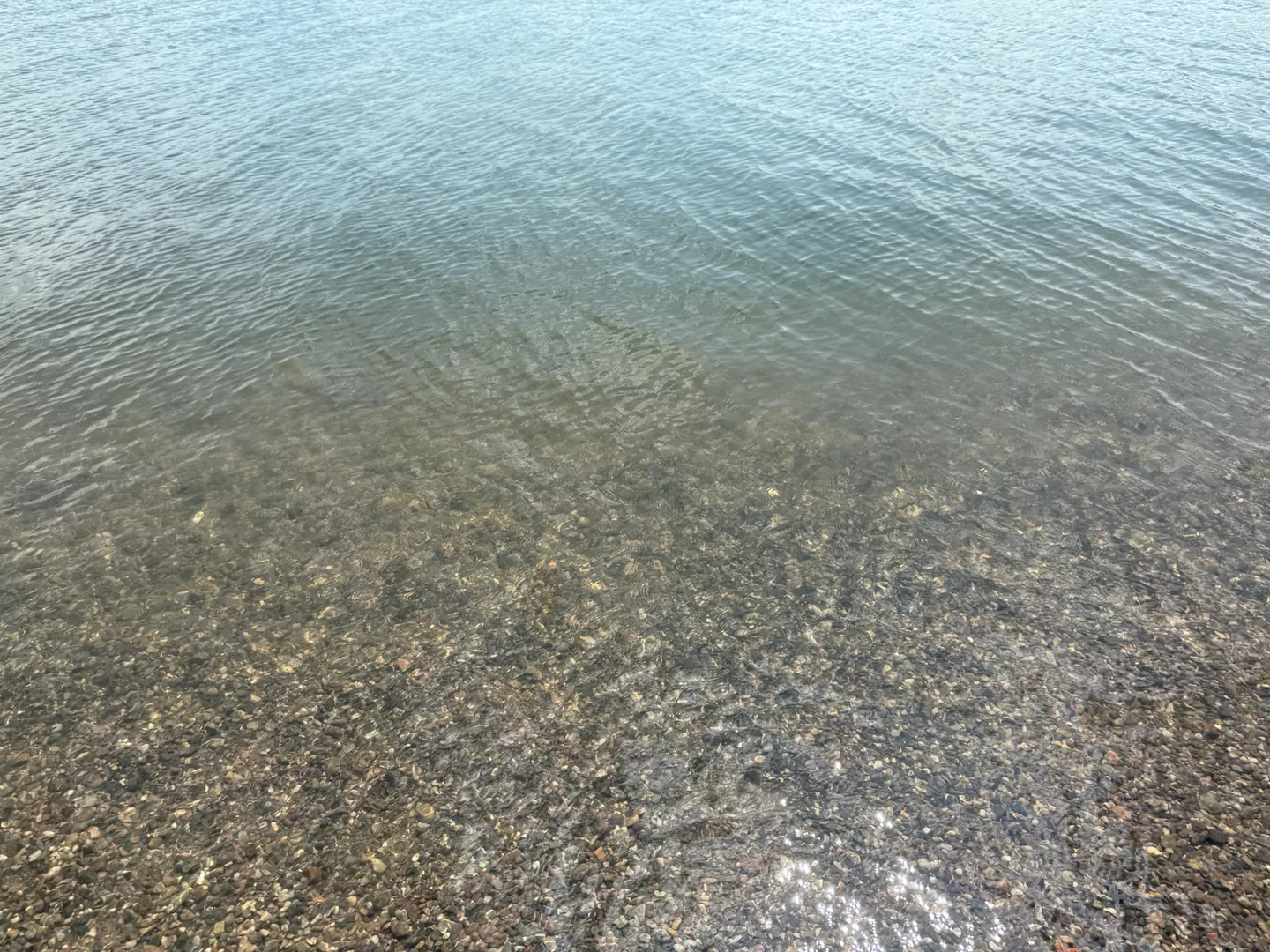
The video below shows part of the pebbled shore, with visitors, the water and the hills beyond.
Looking down from Xishan
My visit to Xishan (西山) gave me a different view of the place where I’d chosen to stay. From the hillside, the lake, city and wooded slopes fitted into one wide scene. Beside the water, my attention had gone to paths, trees and the shore. From up here, I could see how much more there was around them. And once again, the clouds took up a good part of my photographs.
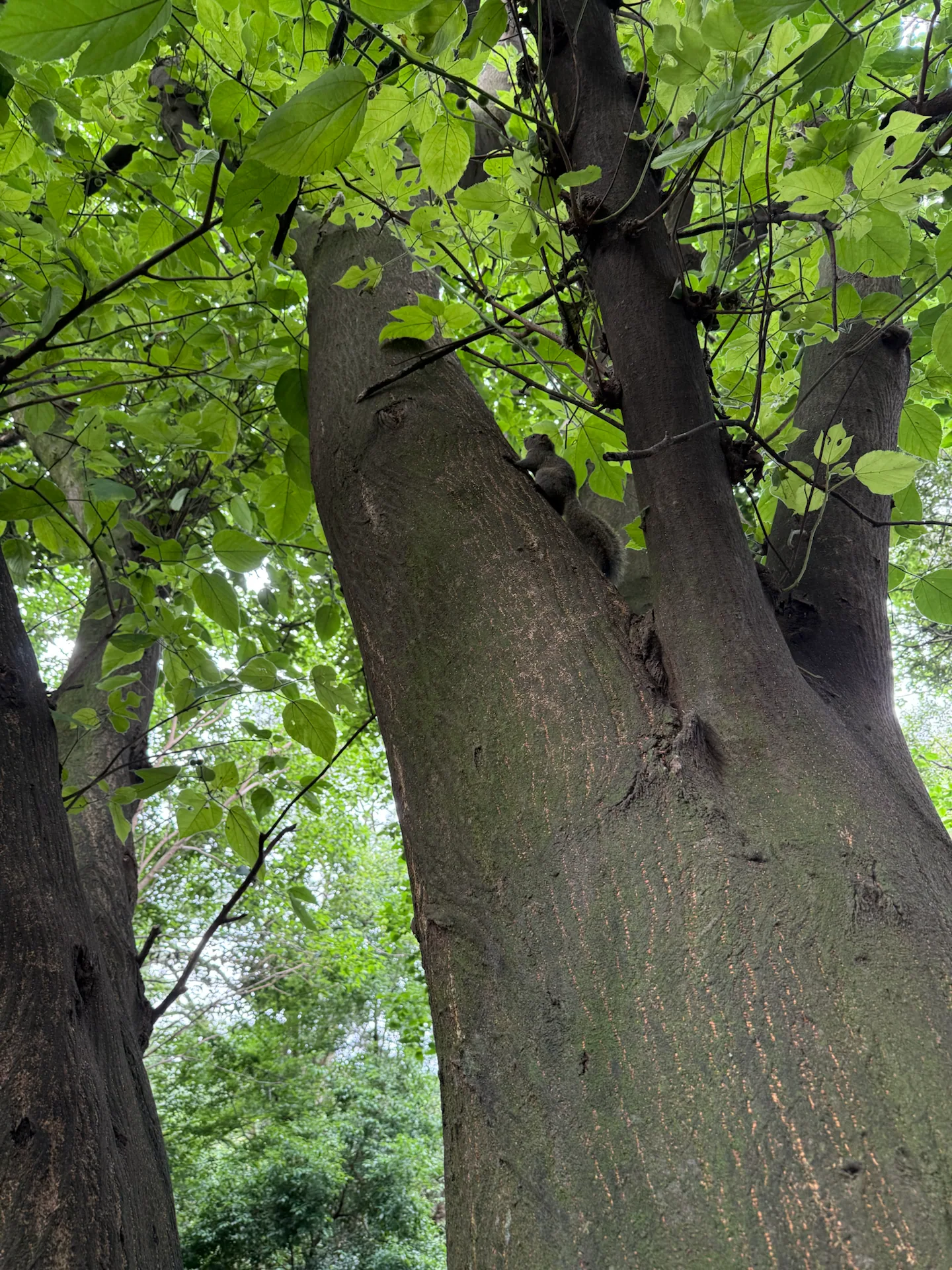
On the hillside, I also caught a squirrel on a tree trunk, a small moment next to those wide views, but one I was glad to keep.
For someone choosing between a wetland walk and Xishan, I’d start with the view you want. The wetlands put you beside the water and among the trees. Xishan gives you a view down over the lake and city.
Everyday meals, and mint I couldn’t get used to
Food wasn’t the main memory of this stay. I mostly ate everyday dishes and rice noodles. Compared with my time in Shunde, I didn’t come away with meals I particularly wanted to write about.
One taste I couldn’t get used to was mint with rice noodles. That is simply my own preference. If you feel the same, 不要薄荷,谢谢。 means “No mint, please.”
I came to Kunming for the milder summer and for Yunnan in general. What I took away was more specific: clouds over Dianchi, evening light at Baofeng, birds on the branches at Haihong. Staying by the water is what made those days.
If you go
- Choose the view you want: pick a wetland park for time beside Dianchi, or Xishan for a view from above. Keep Yangzong Lake as a separate outing.
- Keep the basics handy: save the Chinese names above, and use the apps and internet guide and payment guide to prepare.
- Planning a longer trip? Send me your draft itinerary for a second look.
About this note
This note draws on my own travels and photographs and videos.
- China Meteorological Administration’s weather service: Kunming climate overview
- Meet Yourself and its Dali setting — published by Yunnan’s publicity department
- Kunming Museum: the city and Dianchi through time
- Kunming Museum: the ancient Dian kingdom
- Dianchi shoreline and wetland restoration — published by Yunnan’s publicity department
- National Development and Reform Commission: Dianchi restoration and Dounan Wetland
- Kunming Information Hub: Yangzong Lake and its basin